Showing every subjectChange subjects

0625/03/SP/23 · question 2 of 2 in this topic

Question 7

7(a)1 mark

Fig. 7.1 shows a floating plastic ball attached by a long rope to a weight on the bottom of a lake. A water wave on the surface of the lake causes the ball to move vertically up and down.

On Fig. 7.1, show the wavelength of the wave. Label the distance W.
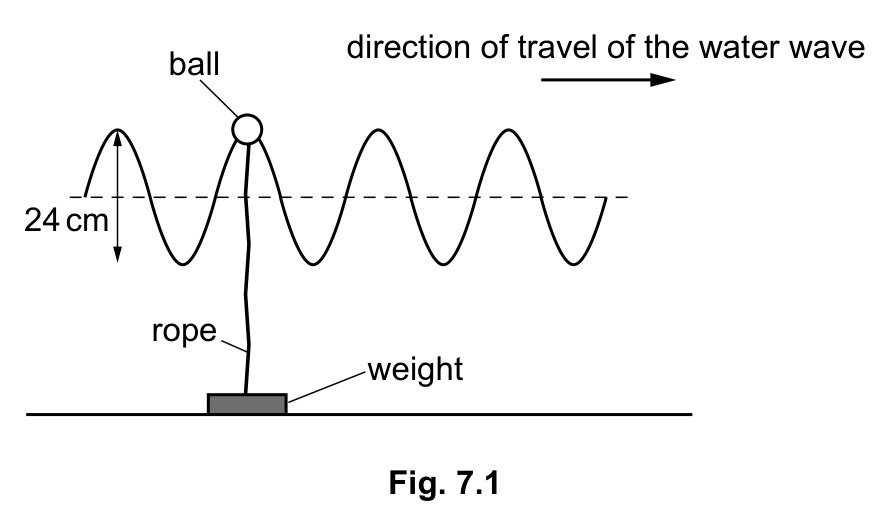
Fig. 7.1 — see the question text for what it shows

Draw Accuracy is being marked. Use the figure and be precise about position and labels.

Your answer

Suggested time: 2 min

7(b)1 mark

Fig. 7.1 shows a floating plastic ball on a water wave on a lake; a vertical arrow marked 24 cm shows the distance from a wave crest down to the undisturbed (mean) level shown by a dashed line.

Determine the amplitude of the wave, in cm.

Fig. 7.1 — see the question text for what it shows

Determine Work it out from what you are given or from the figure, and show how you got there.

Your answer

Suggested time: 2 min

7(c)2 marks

A water wave on the surface of a lake causes a floating ball to move vertically up and down. The ball reaches its maximum height 40 times in 60 seconds.

Calculate the frequency of the wave, in Hz.

Calculate Show your working. The method can earn marks even when the final value is wrong, and a bare answer often cannot.

Your answer

Suggested time: 3 min

7(d)1 mark

A water wave travelling horizontally across the surface of a lake causes a floating ball to move vertically up and down.

Explain how the motion of the ball shows that the water wave is transverse.

Explain Give reasons, not just what happens. Each distinct reason is usually worth a mark.

Your answer

Suggested time: 2 min

7(e)1 mark

State another example of a transverse wave (other than a water wave).

State A short answer. No explanation is needed, and adding one cannot earn extra marks.

Your answer

Suggested time: 2 min

0625/03/SP/23Cambridge IGCSE Physics 0625 · Specimen 2023 · Paper 3 · sit the whole paper