Showing every subjectChange subjects

0625/04/SP/23 · question 3 of 3 in this topic

Question 9

9(a)2 marks

As the ball oscillates, it touches each plate in turn.

Referring to the charge on the ball, explain why the ball moves to the positive plate after touching the negative plate.
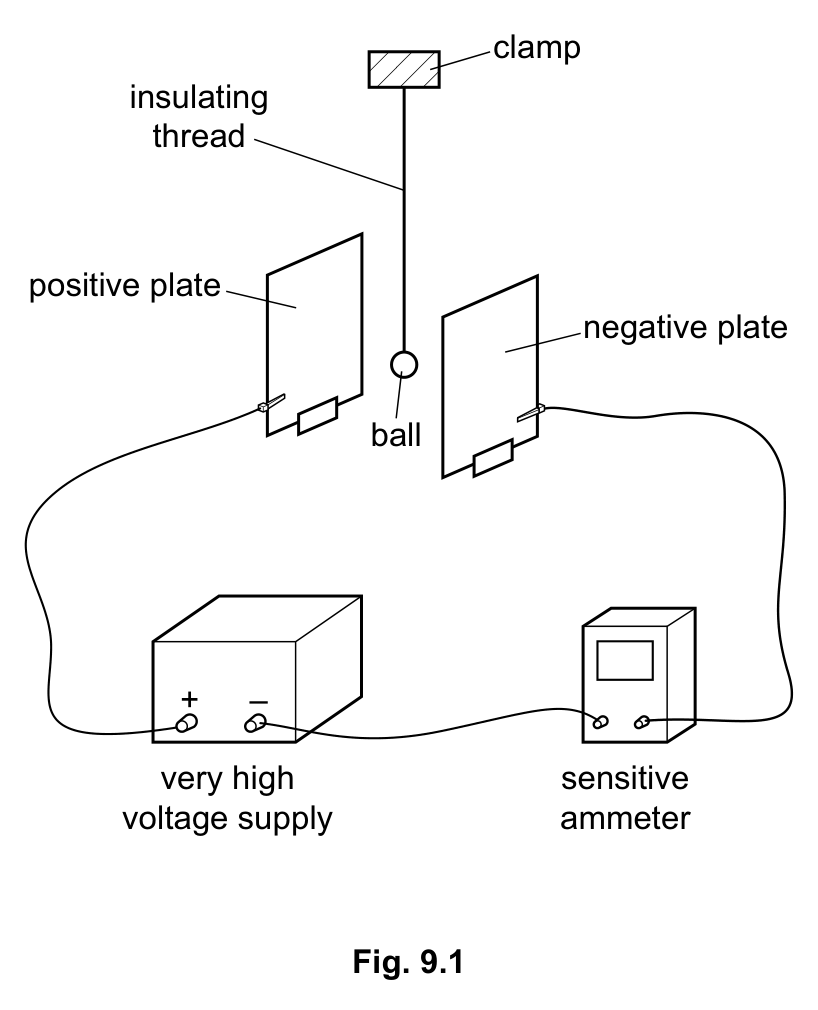
Fig. 9.1 — see the question text for what it shows

Using You must use the thing it names. An answer that reaches the right value another way may not score.

Your answer

Suggested time: 3 min

9(b)2 marks

State which particles move when there is a current and state the direction in which they move through the sensitive ammeter.

Fig. 9.1 — see the question text for what it shows

State A short answer. No explanation is needed, and adding one cannot earn extra marks.

Your answer

Suggested time: 3 min

9(c)3 marks

A conducting ball oscillates between two charged plates connected to a sensitive ammeter. For each complete oscillation of the ball moving between the plates, a charge of 8.5 × 10⁻¹⁰ C is transferred from one plate to the other. The frequency of oscillation is 4.0 Hz.

Calculate the current shown on the sensitive ammeter.

Calculate Show your working. The method can earn marks even when the final value is wrong, and a bare answer often cannot.

Your answer

Suggested time: 5 min

0625/04/SP/23Cambridge IGCSE Physics 0625 · Specimen 2023 · Paper 4 · sit the whole paper